


Keeping fire ants out of your yard.
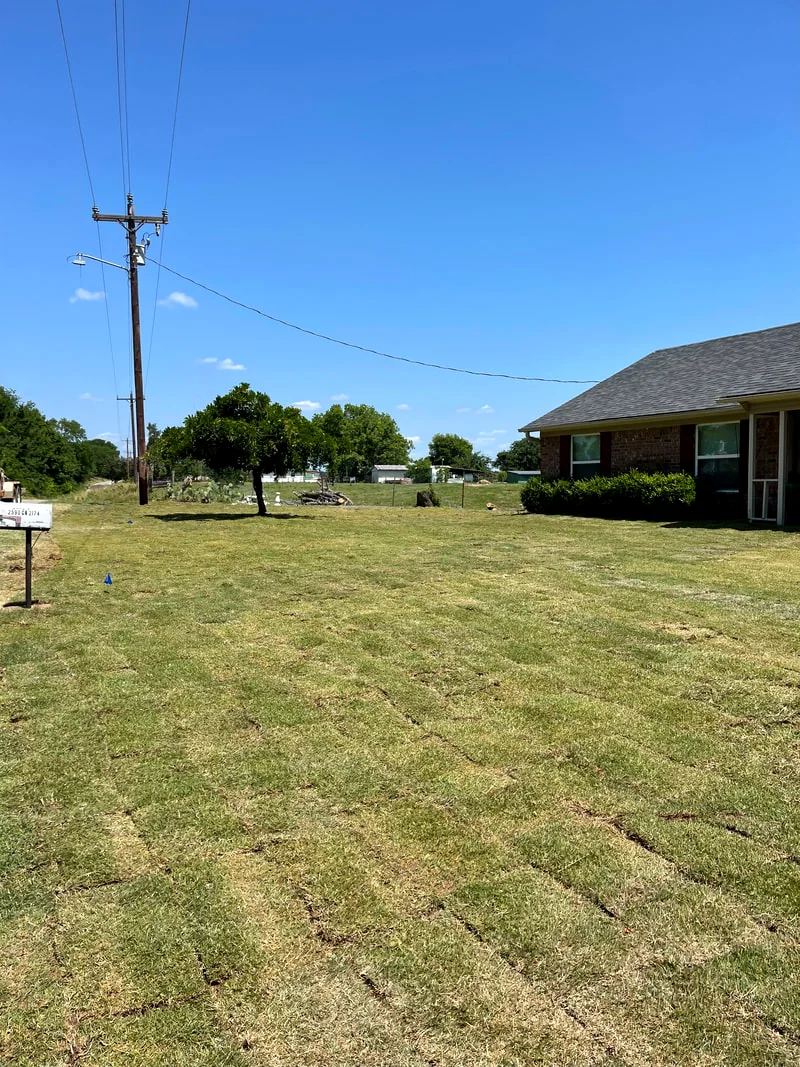
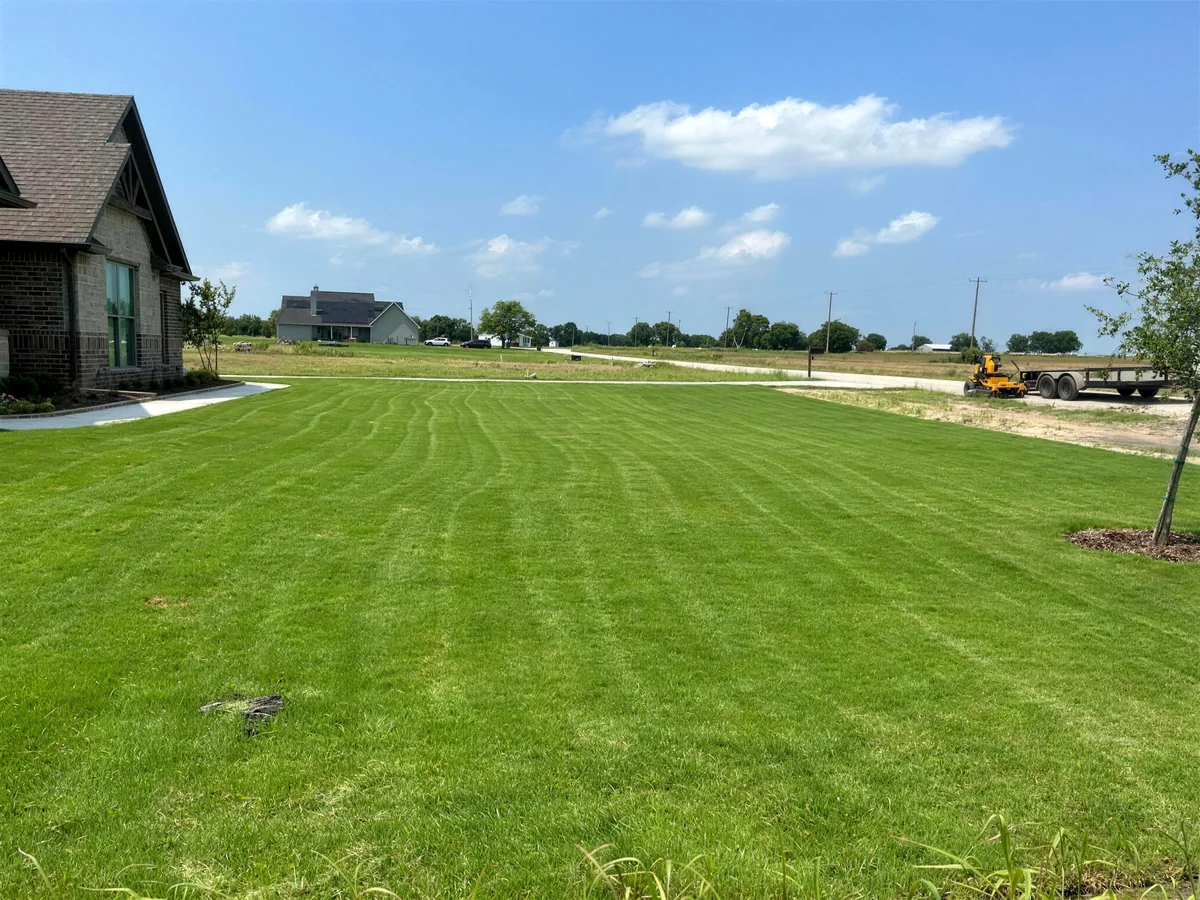
Wide, healthy lawn along a North Texas residential street
North Texas is fire ant country. If you've ever stepped in a mound without seeing it, you already know why control matters, and why one treatment rarely ends the problem for good.
Why they're more than a nuisance
Fire ants deliver a painful sting that can cause serious swelling, and in sensitive individuals, a real allergic reaction requiring medical attention. For homes with young kids or pets that spend time outside, an active colony turns part of the yard into a place you have to actively avoid.
What they do to your lawn
Colonies tunnel through soil, building mounds that can undermine the stability of lawns, garden beds, and even structures nearby. Left alone, a colony doesn't stay put, it expands, and new mounds tend to show up faster than they can be knocked down one at a time.
Treating the mound you can see rarely reaches the colony underneath. That's why fire ants keep coming back after a single treatment.
What effective control actually looks like
Consistent, professional control targets colonies at the source rather than just the visible mound, combined with ongoing monitoring so new colonies get caught early instead of spreading across the yard. That combination, targeted treatment plus regular follow-up, is what keeps a property fire-ant-free instead of just temporarily quieter.
Part of a healthy lawn program
Fire ant activity often shows up alongside other lawn health issues, thin turf, bare patches, and compacted soil all give colonies more room to establish. Keeping your lawn dense and healthy through regular mowing, fertilization, and aeration makes it a less hospitable place for them to begin with.
More From Turf Talk
Your Fall Leaf & Debris Cleanup Checklist
Why leaf buildup damages your lawn, and a simple seasonal checklist to stay ahead of it.
How Much & How Often to Water Bermuda and Zoysia Lawns
The simple weekly watering rule that keeps North Texas lawns deep-rooted and drought-resilient.
Inside Our 8-Step Lawn Program
What each seasonal visit actually does for your turf, and why timing matters more than the product.